
How Geo-Blocked Casino Access Is Detected and What It Means for Players

Route recap
Geo-blocked casino access is detected mainly through your IP address, which reveals your approximate location to the platform’s servers. Casinos may use additional signals such as device GPS data, payment details and account history, and may block or restrict the session when those signals point to a country or region the operator does not serve. For players, the result ranges from a blocked login page to a frozen withdrawal.
What Geo-Blocked Casino Access Actually Means
A geo-block is a technical restriction that stops traffic from certain locations reaching a site. The casino configures its servers, content delivery network or a third-party filtering service to refuse connections from a list of countries or regions. When you try to load the site, you see an error page, a redirect or a plain message saying the service is unavailable in your area.
The restriction usually reflects where the operator holds a licence to accept players. A platform licensed in one jurisdiction may be unable to take bets from another, so it can block that territory at the network level. This is why the same casino can be fully open in one country and completely unreachable in the next.
Geo-blocking differs from account-level restriction. A geo-block stops the site loading at all, while an account restriction applies to a specific player who has already registered. The two can overlap, since a platform that later suspects a player is somewhere it does not serve may freeze the account even after the initial connection succeeded.
It helps to separate three ideas that players often mix together. A geo-block is a location filter. A licence restriction is the legal reason behind it. A terms-of-service breach is what happens when a player uses a workaround to get past the filter. Only the first is a technical mechanism; the other two are policy and contract.
How Casinos Detect Where You Are
Operators rarely rely on a single signal. They combine several, and a mismatch between them is what triggers a flag. The main detection methods are:
- IP address lookup. Every connection carries an IP address, which databases map to a country, region and often a city. This is the first and cheapest check, and it runs before the page even renders.
- GPS and device location. Mobile apps and some browser sessions can request location permission. If granted, the device reports coordinates that the platform compares with the IP result.
- Payment method origin. A card issued in one country, or a bank account registered in another, gives the operator a location clue tied to your identity rather than your connection.
- Account details. The address you enter at registration, your phone country code and your chosen currency all feed the same profile.
- Behavioural signals. Language settings, time zone, login hours and the pattern of deposits can all suggest a location that contradicts the IP.
- Third-party risk and compliance tools. Many platforms subscribe to services that score connections for fraud and jurisdiction risk, and these flag VPN and proxy traffic.
The logic is cumulative. A single odd signal may pass unnoticed, but several signals that disagree can push the session into a review queue. That is why a player who registers honestly from an accepted country can still be asked for documents if a payment method or a travel pattern looks inconsistent.
Why the IP Address Does Most of the Work
The IP check is fast, automatic and requires nothing from the player, which makes it the backbone of geo-blocking. Platforms maintain a list of blocked ranges and compare each incoming request against it. Content delivery networks can enforce the same list at the edge, so the request never reaches the casino’s own servers.
IP geolocation is approximate. Databases are updated on their own schedules, and a range can be reassigned. A player in a permitted country may occasionally be misread as being in a blocked one, especially near a border or when a mobile network routes traffic through another country. When that happens, the block is a false positive, and the usual fix is to contact support about the error.
How the Block Appears to You
The visible symptom depends on how the operator has configured the block. Common outcomes include:
- The site fails to load and shows a generic error.
- A message appears stating the service is not available in your region.
- You are redirected to a landing page or an affiliate site.
- The site loads but registration is disabled.
- Login succeeds but deposits are refused.
- The account is frozen pending a location review.
The last two are the ones players find most frustrating, because the block arrives after the account exists. A platform that detects a location mismatch mid-session may allow browsing but stop withdrawals until the player verifies where they are. Reading the terms before depositing tells you what the operator says it will do in that situation, though the exact wording differs between platforms.
Workarounds, VPNs and the Risks Players Take
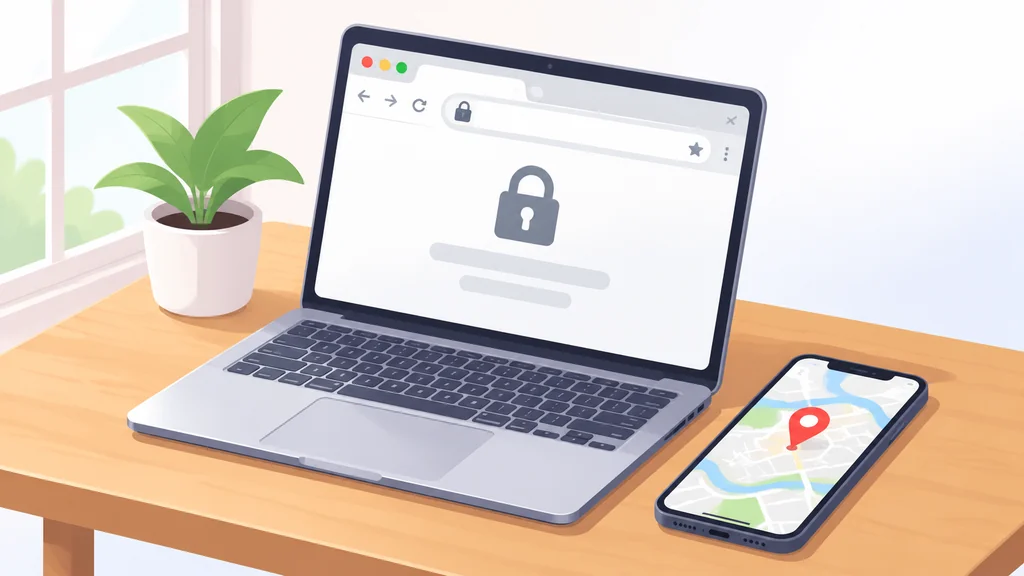
A VPN reroutes your connection through a server in another country, so the IP address the casino sees belongs to that server. This can defeat a simple IP filter, which is exactly why operators invest in the other signals listed above. A VPN changes your apparent IP but does nothing about a card issued in a blocked country, a phone number with a local code or a GPS reading from your actual device.
Platforms may treat deliberate circumvention as a breach of their terms. The consequences written into those terms can include voided bets, confiscated winnings and a closed account, and the operator decides how strictly to apply them. Because the rules differ between platforms, the only reliable guide is the specific terms you agreed to when you registered.
There is also a practical risk that has nothing to do with the casino’s rules. Free VPN servers are slow and shared, and a shared IP can be flagged because other users on it have abused the service. A paid VPN is faster but still leaves the payment and identity signals untouched. Players who want a smoother experience are usually better served by choosing a platform that accepts their real location, which is the approach set out in this guide to the best online casinos for Canadian players.
What to Do If You Are Blocked
If a casino blocks you, work through the situation in order before considering any workaround.
- Confirm your real location is one the operator accepts, using the terms or the support page.
- Turn off any VPN or proxy and reload the site.
- Try a different network, such as mobile data instead of home Wi-Fi, to rule out a routing quirk.
- Contact support and describe the error exactly, including the message and the time.
- If you already hold an account, ask what verification is needed to release a frozen balance.
- Keep a copy of the correspondence in case a dispute arises later.
- If the operator does not serve your country, move on to one that does.
Step four matters more than it looks. Support staff can see which check failed, and a player who reports a false positive gives them the information to whitelist a range or adjust a flag. A vague complaint gets a generic reply; a precise one gets investigated.
If the block turns out to be legitimate, the sensible move is to accept it. A platform that cannot legally serve your region will not pay out reliably even if you slip past the filter, and the dispute process is slower and less certain than simply choosing an operator that accepts you. Comparing how different platforms handle verification and regional rules is covered in this breakdown of modern online casino platforms.

Why Operators Block Regions in the First Place
The commercial reason is licensing. A gambling licence is granted for specific markets, and accepting players outside those markets can put the licence at risk. Geo-blocking is one way operators show they are keeping out players from territories they are not authorised to serve.
The second reason is fraud and money laundering control. Location data feeds the risk score that compliance teams use to decide whether a transaction needs review. A connection that jumps between countries can point to account takeover or bonus abuse, and blocking the region is one response.
The third reason is tax and reporting. Gambling duty can depend on where the player is, not where the server sits. An operator that cannot reliably tell where a player is may restrict access when that calculation is uncertain.
None of this is unique to gambling. Streaming services, banks and retailers all apply the same logic when they restrict content or accounts by country. The mechanism is identical; only the legal backdrop changes. For a look at how one jurisdiction turned location and identity checks into a visible platform feature, this piece on CRUKS and the Koa Act is a useful comparison.
The Limits of Detection and What It Means for You
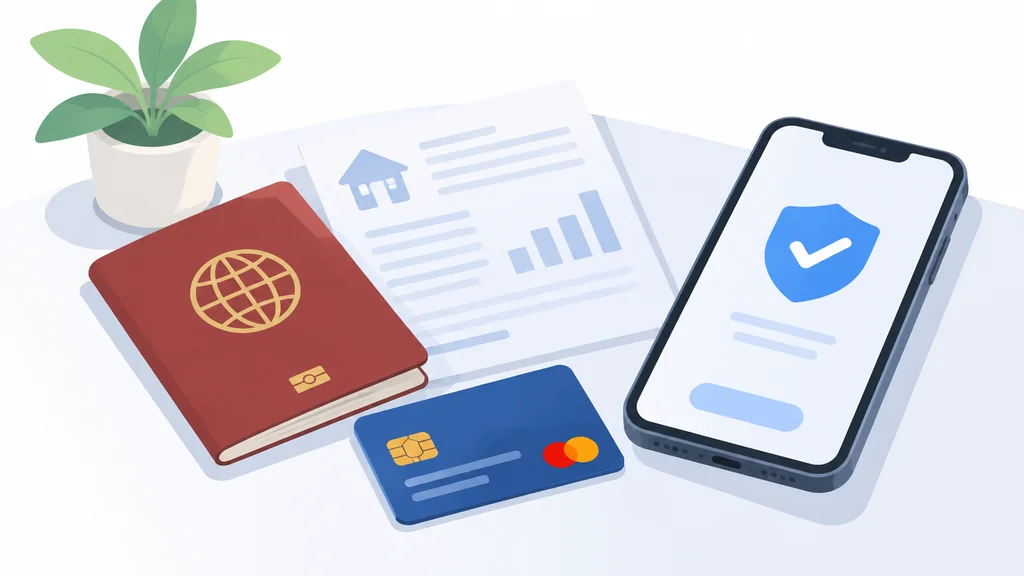
No detection system is perfect. IP databases go stale, mobile networks route traffic unpredictably, and travellers legitimately log in from hotels and airports. Operators know this, which is why most build in a manual review step before taking serious action. The review is where documents such as a passport, a utility bill or a bank statement decide the outcome.
For players, the practical lesson is to keep your profile consistent. Register with your real address, use a payment method in your own name and country, and avoid mixing networks in ways that make your location look erratic. A consistent profile passes automated checks without friction and gives you a clean paper trail if a review ever happens.
It also pays to understand what a block does to your money. If a platform freezes an account over a location issue, access to the balance depends on the operator’s verification process and its terms. Players who document their deposits and keep correspondence have a far easier time resolving the situation than those who rely on memory.
Finally, treat a geo-block as information about the operator’s market. It may indicate the operator does not consider your region part of its licensed market, and that is worth knowing before you deposit. The platforms that welcome your location will make that clear from the first page, and choosing among them is a far better use of time than defeating a filter built to keep you out.
Geo-Blocked Casino Access FAQ
Is using a VPN to access a geo-blocked casino illegal?
Legality depends on your location, so check local law before using a VPN at a geo-blocked casino. Some operators’ terms may prohibit circumvention, and breaching them can lead to a closed account and voided winnings.
Can a casino tell I am on a VPN?
Often, yes. Platforms use risk tools that flag known VPN and proxy ranges, and a flagged IP combined with a payment method or phone number from a blocked country is a strong signal. Some VPNs are harder to detect than others, but none removes the other location clues on your account.
What happens to my balance if my account is frozen over location?
The balance is held while the operator verifies where you are, and the outcome depends on its terms. If the platform concludes you breached the rules, voiding bets or confiscating winnings is a possible contractual consequence. Ask support in writing what verification is needed and keep the reply.
Why can I load the site but not deposit?
A partial block is common. The operator may allow browsing so that players in accepted regions can see the site, while payment processing may be restricted by the provider’s own country rules. The deposit failure often comes from the payment processor rather than the casino itself.
Does a geo-block mean the casino is a scam?
No. A geo-block may reflect licensing and legal limits, and some operators apply them. A platform that blocks your region may be perfectly reputable elsewhere. Judge it on its licence, its terms, its verification process and other available information.